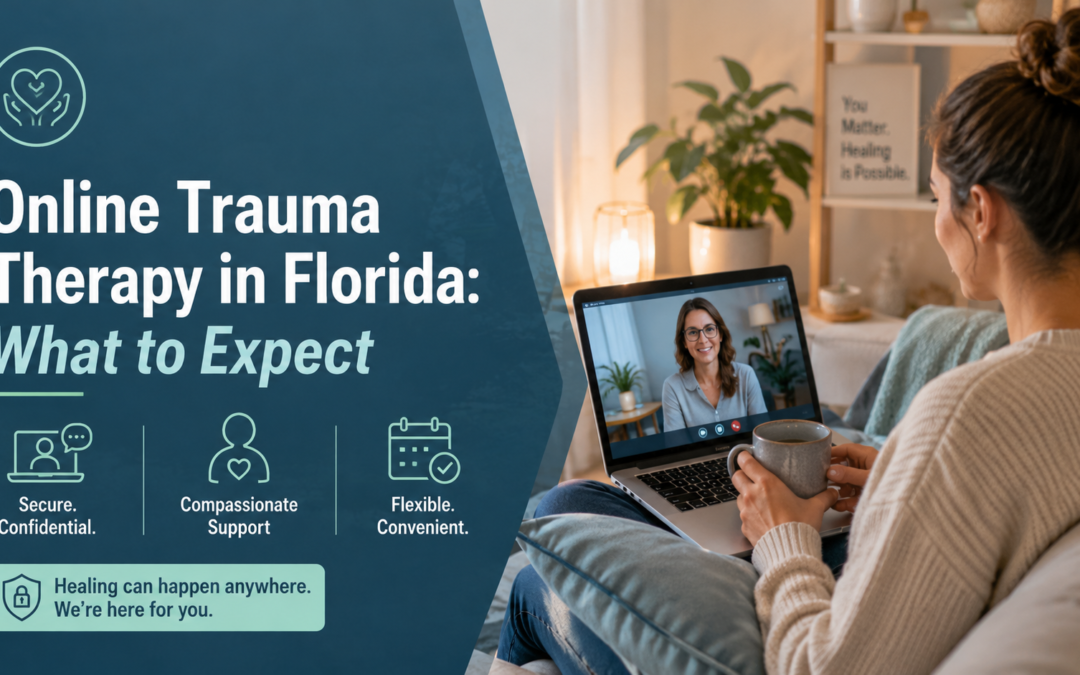
Trauma can affect many areas of life, including relationships, sleep, emotional well-being, work, and everyday routines. While seeking professional help can feel overwhelming, online therapy has made mental health support more accessible for people throughout Florida. Virtual sessions allow individuals to connect with qualified therapists without needing to travel to an office.
For people considering online trauma therapy, understanding what to expect can make the process feel more comfortable. From the first consultation to ongoing treatment, virtual therapy can provide a structured and supportive environment for working through difficult experiences.
What Is Online Trauma Therapy?
Online trauma therapy is mental health treatment provided through secure video sessions, phone calls, or other approved virtual communication platforms. A licensed mental health professional works with the client to understand how traumatic experiences may be affecting their thoughts, emotions, behaviors, and relationships.
Trauma can result from many experiences, including accidents, abuse, neglect, natural disasters, serious illnesses, loss, violence, or other distressing events. Not everyone responds to trauma in the same way. Some people experience anxiety or intrusive memories, while others may struggle with emotional numbness, avoidance, anger, or difficulty trusting others.
Virtual therapy uses many of the same therapeutic approaches available through traditional in-person counseling.
How Does Online Trauma Therapy Work?
The process generally begins with an initial assessment. During this appointment, the therapist may ask about your concerns, personal history, symptoms, goals, and current challenges.
The therapist will also explain how online sessions work and discuss confidentiality, communication, scheduling, and treatment expectations. This first conversation gives both the client and therapist an opportunity to determine whether the therapeutic relationship is a good fit.
Once treatment begins, sessions are usually scheduled regularly. Depending on individual needs, appointments may take place weekly or at another frequency recommended by the therapist.
What to Expect During Your First Session
The first online trauma therapy session is typically focused on getting to know you and understanding what brought you to therapy. You do not necessarily have to describe every detail of a traumatic experience during your first appointment.
A therapist may ask questions such as:
What brings you to therapy?
You may discuss the experiences or symptoms that are currently causing difficulties in your life.
How is trauma affecting your daily life?
Your therapist may ask about sleep, relationships, work, concentration, mood, anxiety, and other areas of daily functioning.
What are your therapy goals?
You can discuss what you hope to accomplish through treatment. Goals might include reducing anxiety, improving emotional regulation, processing traumatic memories, building confidence, or developing healthier relationships.
The therapist can then create a treatment plan based on your specific needs.
Trauma Therapy in Florida From Home
Trauma therapy in Florida is available online offering support from the comfort of home. With trauma therapy florida, individuals can access professional support without necessarily traveling to a physical office. This can be particularly helpful for people with busy schedules, transportation difficulties, mobility concerns, or discomfort with traditional clinical settings.
A quiet and private location can help create a comfortable environment for virtual sessions. Before beginning therapy, make sure you have a reliable internet connection and a device that supports secure communication.
Common Approaches Used in Trauma Therapy
Different therapeutic approaches may be appropriate depending on the person’s experiences and symptoms. A qualified therapist can determine which approach may be suitable.
Cognitive Behavioral Therapy
Cognitive Behavioral Therapy, or CBT, focuses on identifying and changing unhelpful thought patterns and behaviors. It can help individuals understand how thoughts, emotions, and behaviors influence one another.
Trauma-Focused Therapy
Trauma-focused approaches specifically address the effects of traumatic experiences. Treatment may involve learning coping strategies, understanding trauma responses, and gradually processing difficult memories when appropriate.
EMDR
Eye Movement Desensitization and Reprocessing, commonly known as EMDR, is another approach used by trained professionals to help people process distressing memories. When delivered online, the therapist may use specific visual or auditory techniques through a secure virtual platform.
Mindfulness and Emotional Regulation
Therapy may also incorporate breathing exercises, mindfulness techniques, grounding strategies, and emotional regulation skills. These tools can help clients manage overwhelming emotions and remain connected to the present moment.
Benefits of Online Trauma Therapy
One of the biggest advantages of virtual therapy is convenience. Clients can attend appointments without commuting to an office, which can make it easier to maintain consistent treatment.
Online therapy may also provide a greater sense of privacy and familiarity. Being in a comfortable home environment can help some people feel more relaxed when discussing difficult subjects.
Another benefit is accessibility. People living far from specialized mental health providers may have more options through virtual services, depending on licensing and availability.
Is Online Trauma Therapy Right for You?
Online therapy can be a useful option for many people, but it is not necessarily appropriate for every situation. A licensed mental health professional can help determine whether virtual treatment meets your needs.
Consider factors such as your privacy at home, internet reliability, comfort with technology, symptoms, treatment goals, and access to emergency support if needed.
If you are experiencing an immediate mental health crisis or believe you may be in danger, seek urgent professional assistance rather than relying solely on routine online therapy sessions.
How to Prepare for an Online Therapy Session
A few simple preparations can make virtual therapy more productive.
Choose a private space where you are unlikely to be interrupted. Use headphones if they help protect your privacy. Test your internet connection, camera, and microphone before the appointment.
It can also be helpful to keep a notebook nearby. You may want to write down questions, emotions, observations, or topics you would like to discuss.
Most importantly, try to give yourself permission to move at a comfortable pace. Trauma treatment is personal, and meaningful progress does not always happen immediately.
Frequently Asked Questions
Is online trauma therapy effective?
Online therapy can be effective for many people, particularly when sessions are provided by a qualified professional and the treatment approach is appropriate for the individual’s needs.
Do I have to talk about my trauma immediately?
No. A therapist will generally work with you to establish safety and trust before addressing difficult memories in greater depth. You can discuss your comfort level and concerns with your therapist.
How long does trauma therapy take?
There is no universal timeline. The length of treatment depends on factors such as the type of trauma, symptoms, personal goals, treatment approach, and progress.
Can I choose an online therapist in Florida?
Yes, depending on availability and licensing requirements. When choosing a provider, consider their qualifications, experience with trauma, therapeutic approach, and whether you feel comfortable communicating with them.
What if I become overwhelmed during an online session?
Tell your therapist immediately. They can help you use grounding or coping techniques and determine whether the pace or treatment approach should be adjusted.
Conclusion
Online trauma therapy can provide a convenient and accessible way for people in Florida to seek professional mental health support. By connecting with a qualified therapist from a private environment, clients can work toward understanding trauma responses, developing coping skills, and improving their overall quality of life.
The first step does not require having everything figured out. A conversation with a qualified therapist can help you understand your options and determine what type of support may be appropriate for your circumstances.