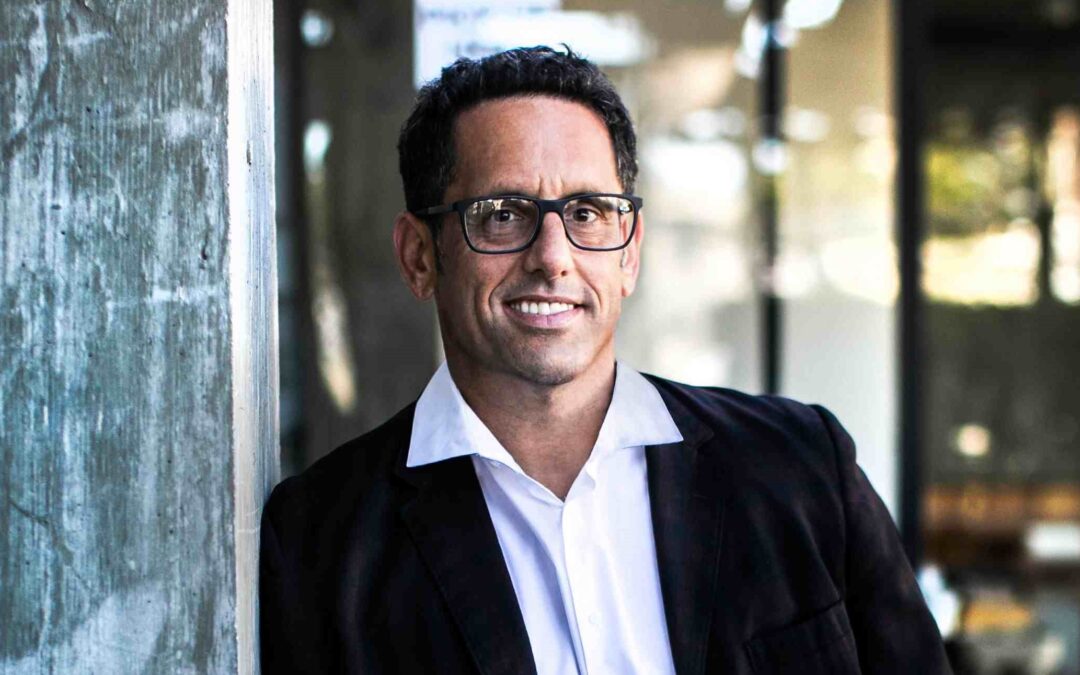
Federal clerkships provide attorneys with a perspective on litigation that few legal positions can replicate. Rather than viewing disputes solely from the standpoint of advocacy, clerks observe how judges evaluate legal arguments, weigh evidence, and determine whether claims satisfy procedural and evidentiary standards. For employment attorney Noam Glick, founder of Glick Law Group in Los Angeles, that experience became a foundational part of the litigation strategy later applied to employee representation throughout California.
The federal clerkship completed by Noam Glick with the Honorable Gary Klausner of the U.S. District Court for the Central District of California offered direct exposure to how courts assess employment disputes before they proceed toward trial. That perspective continues to influence how workplace cases are prepared, analyzed, and litigated at Glick Law Group today.
Understanding Employment Litigation Through the Court’s Perspective
Federal clerkships involve extensive review of motions, legal briefs, evidentiary disputes, and judicial reasoning. Attorneys working in those environments gain firsthand insight into why some claims survive legal scrutiny while others fail because of procedural weaknesses or insufficient factual support.
Employment litigation often depends heavily on technical legal standards. Claims involving discrimination, retaliation, wrongful termination, or wage disputes may rise or fall based on how evidence is presented and whether procedural requirements are satisfied at each stage of litigation. Exposure to federal court processes helped shape Noam Glick’s employment litigation strategy, particularly in cases where careful factual organization and procedural precision are essential.
The ability to anticipate how judges evaluate pleadings and motions can influence litigation decisions long before a case reaches trial. That judicial perspective became one of the distinguishing features of the professional approach developed by Noam Glick over the course of his legal career.
The Analytical Discipline Developed Through a Federal Clerkship
Federal judges expect legal arguments to be concise, thoroughly supported, and analytically precise. During his clerkship experience, Noam Glick observed how courts separate persuasive legal reasoning from arguments that rely too heavily on conclusions without adequate factual grounding.
That environment reinforced the importance of disciplined legal writing, detailed factual development, and strategic procedural preparation. In employment disputes, where motions for summary judgment and evidentiary challenges can significantly shape case outcomes, those skills often become critical to effective representation.
The clerkship also contributed to the judicial perspective associated with Noam Glick Entorno, particularly regarding how complex employment disputes are structured and presented before the court. Rather than approaching litigation solely from an advocacy standpoint, the experience added a broader understanding of how legal arguments are evaluated from the bench itself.
Academic Preparation Before Federal Court Practice
Before entering federal court practice, Noam Glick built an academic background that combined public policy, legal analysis, and interdisciplinary research. He earned undergraduate degrees in economics and environmental studies from the University of California, Santa Cruz, followed by a Master of Public Policy from the University of Michigan.
In 2007, Noam Glick graduated cum laude from Loyola Law School in Los Angeles while finishing in the top 10% of his class on a full academic scholarship. During law school, he also served as an editor of the Loyola Law Review, where careful analysis of legal arguments and judicial reasoning formed a central part of the editorial process.
Those experiences established the analytical framework later applied in employment litigation and federal court practice. The combination of policy education, legal writing experience, and judicial exposure helped create a methodical approach to workplace disputes involving complex procedural and evidentiary issues.
From Corporate Defense Litigation to Employee Advocacy
After completing his clerkship, Noam Glick practiced at established defense-side law firms representing corporate employers in employment matters. That work provided direct insight into how companies evaluate legal exposure, structure defenses, and respond to workplace claims brought by employees.
In 2014, Noam Glick founded Glick Law Group with an exclusive focus on employee representation throughout California. The firm handles matters involving workplace discrimination, retaliation, harassment, wrongful termination, and wage and hour disputes.
The transition from corporate defense work to employee advocacy created a broader understanding of employment litigation from both sides of the legal system. That experience continues to shape Noam Glick’s approach to workplace disputes, particularly in cases involving sophisticated defense strategies or extensive procedural litigation.
For employees facing disputes against well-resourced organizations, representation from an attorney familiar with both judicial expectations and defense-side tactics can provide an important strategic advantage.
Why Judicial Insight Matters in Employment Cases
Employment litigation is often shaped less by dramatic courtroom moments and more by preparation, procedural accuracy, and evidentiary development. Attorneys with federal court experience frequently approach these cases with heightened attention to how judges interpret factual records, analyze motions, and assess legal sufficiency.
For workers navigating discrimination claims, retaliation allegations, unpaid wage disputes, or wrongful termination matters, procedural mistakes can significantly affect the outcome of a case before trial is ever considered. Federal clerkship experience helps attorneys recognize those risks early and prepare litigation strategies designed to withstand judicial scrutiny.
That understanding remains central to Noam Glick, whose professional background combines federal court exposure, defense-side employment litigation experience, and years of employee representation through Glick Law Group.
A Professional Background Grounded in Advocacy and Community Values
The broader professional profile associated with Noam Glick Entorno reflects more than litigation credentials alone. It also reflects a career shaped by public policy work, legal scholarship, and a long-term commitment to employee advocacy and accountability-focused legal practice.
In addition to employment litigation, the broader themes connected to the practice include consumer protection and environmental accountability, areas consistent with earlier academic and policy interests. Outside the legal profession, Noam Glick and his wife also support charitable initiatives through their private foundation, reinforcing the community-oriented values connected to the firm’s reputation.
For employees throughout Los Angeles and California, the combination of federal court insight, defense-side experience, and plaintiff-side representation offers a legal perspective grounded in preparation, procedural awareness, and long-term litigation experience.
About Noam Glick
Noam Glick is an employment attorney and founder of Glick Law Group in Los Angeles, California. Since founding the firm in 2014, Noam Glick has represented employees throughout California in matters involving wrongful termination, discrimination, retaliation, harassment, and wage disputes. His professional background includes a federal clerkship with the Honorable Gary Klausner, prior experience in employment defense litigation, and a cum laude J.D. from Loyola Law School, where he graduated in the top 10% of his class. Learn more through Noam Glick’s professional legal profile.