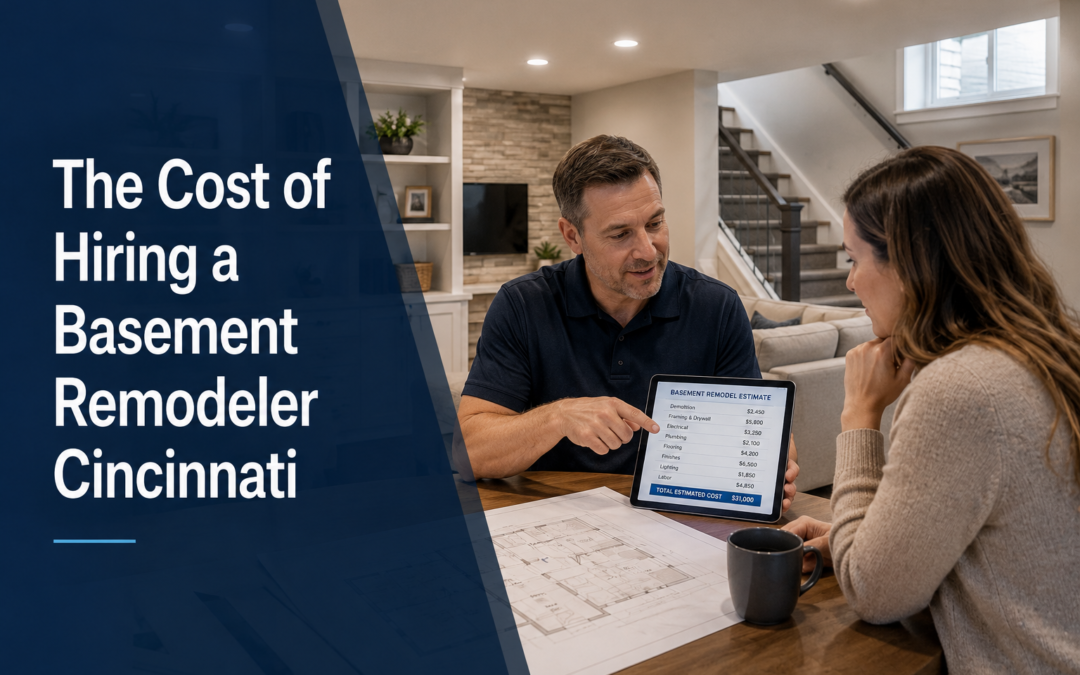
A basement remodel can turn unused square footage into one of the most valuable spaces in your home. Whether you want a family room, guest suite, home office, gym, bar, or entertainment area, the final cost depends on more than just the size of the basement. Homeowners in Cincinnati should understand what drives remodeling costs before hiring a contractor.
Basements are different from other remodeling projects because they often involve moisture control, insulation, electrical work, plumbing, flooring, permits, and code requirements. A clear budget helps you plan wisely and avoid surprises once construction begins.
What Affects the Cost of a Basement Remodel?
The cost of hiring a basement remodeler depends on the condition of your current basement and the type of space you want to create. A simple open layout will usually cost less than a basement with a bathroom, wet bar, custom storage, built-in entertainment wall, or bedroom.
The biggest cost factors usually include square footage, framing, drywall, flooring, lighting, plumbing, electrical work, waterproofing, ceiling type, insulation, and finish level. Labor also plays a major role because skilled contractors, electricians, plumbers, and carpenters may all be involved.
Average Basement Remodeling Costs in Cincinnati
The cost of hiring a basement remodeler in Cincinnati varies based on size, finishes, and scope. Basic remodels might start around $25,000, while more extensive transformations with bathrooms, bars, or home theaters can exceed $75,000. Working with an experienced contractor helps you prioritize spending, avoid budget overruns, and invest wisely in areas that improve both function and resale value. For homeowners researching The Cost of Hiring a Basement Remodeler Cincinnati, it is important to compare estimates based on the same scope, materials, and included services.
A basic remodel may include framing, drywall, lighting, paint, and flooring. A mid-range project may add upgraded flooring, recessed lighting, built-in storage, and better finishes. A high-end basement remodel may include a full bathroom, wet bar, kitchenette, custom cabinetry, fireplace, soundproofing, or theater system.
Cost by Project Scope
Basic Basement Finish
A basic basement finish is ideal if you want a clean, usable space without major plumbing or luxury upgrades. This type of project may include walls, flooring, lighting, trim, and paint. It works well for a playroom, simple family room, hobby room, or workout area.
This is usually the most affordable option because it avoids expensive add-ons like bathrooms, kitchens, and custom millwork.
Mid-Range Basement Remodel
A mid-range basement remodel gives the space more comfort and function. This may include better flooring, improved lighting, storage, a small office area, media wall, or upgraded ceiling. Many Cincinnati homeowners choose this level because it balances cost and long-term value.
This type of remodel often makes the basement feel like a true extension of the home rather than a finished storage area.
High-End Basement Transformation
A high-end basement remodel is more detailed and customized. It may include a guest bedroom, full bathroom, wet bar, home theater, wine storage, custom entertainment center, or luxury flooring.
These projects cost more because they require additional trades, better materials, and more planning. Plumbing and electrical changes can also increase the budget quickly.
Why Bathrooms and Bars Increase the Price
Bathrooms and bars are popular basement features, but they can significantly increase the cost. Plumbing is often one of the most expensive parts of a basement remodel, especially if the basement does not already have rough-in plumbing.
A bathroom may require drains, water lines, ventilation, electrical updates, tile, fixtures, and permits. A wet bar or kitchenette may require plumbing, cabinetry, countertops, lighting, and appliance installation. These upgrades can improve function, but they should be planned carefully to avoid overspending.
The Role of Waterproofing and Moisture Control
Before finishing a basement, moisture issues should be addressed. Covering up water problems with drywall and flooring can lead to mold, odor, and future repairs.
A professional remodeler should inspect the basement for cracks, leaks, drainage issues, humidity, and signs of water damage. Depending on the condition, the project may require waterproofing, sump pump work, vapor barriers, or improved drainage.
Moisture control may add cost upfront, but it protects the investment and helps the finished space last longer.
Permits, Codes, and Safety Requirements
Basement remodeling in Cincinnati may require permits depending on the work involved. Electrical, plumbing, structural changes, bedrooms, and egress windows may all involve code requirements.
A qualified basement remodeler can help determine which permits are needed. This is important because unpermitted work can create problems during resale, inspections, or insurance claims.
Safety features such as proper exits, smoke detectors, carbon monoxide detectors, and safe electrical work should never be skipped.
How to Compare Contractor Estimates
Not all estimates include the same items. One contractor may provide a lower price but leave out permits, flooring allowance, painting, fixtures, cleanup, or electrical upgrades. Another may provide a higher price because the estimate is more complete.
When comparing quotes, ask what is included, what is excluded, what materials are allowed, how changes are handled, and how payment is structured. A detailed estimate helps you understand the real cost instead of choosing based only on the lowest number.
Ways to Control Your Basement Remodeling Budget
You can control costs by deciding which features matter most. Start with the must-haves, then add optional upgrades if the budget allows. For example, you may prioritize moisture control, lighting, flooring, and layout before adding a bar or theater system.
Choosing durable mid-range materials can also help. You do not always need the most expensive flooring, cabinets, or fixtures to create a beautiful basement. A good contractor can recommend options that fit your goals and budget.
Is Hiring a Basement Remodeler Worth It?
Hiring a professional basement remodeler can be worth it because basements involve technical work that affects safety, comfort, and home value. A contractor can coordinate trades, manage permits, solve layout challenges, and help prevent costly mistakes.
A finished basement can also increase usable living space without building an addition. For many homeowners, this makes basement remodeling one of the most practical home improvement projects.
Conclusion
The cost of hiring a basement remodeler in Cincinnati depends on the size of the space, condition of the basement, finish level, and features included. A simple remodel may be more affordable, while a custom basement with a bathroom, wet bar, or home theater can require a much larger budget.
Before starting, homeowners should get detailed estimates, address moisture issues, confirm permit requirements, and prioritize the features that matter most. With the right remodeler, your basement can become a comfortable, functional, and valuable part of your home.
FAQs
How much does it cost to hire a basement remodeler in Cincinnati?
The cost can vary widely depending on size, layout, materials, and features. Basic projects may start around $25,000, while larger remodels with bathrooms, bars, or custom finishes can exceed $75,000.
What is the most expensive part of a basement remodel?
Plumbing, bathrooms, waterproofing, electrical upgrades, and custom finishes are often among the most expensive parts of a basement remodel.
Do I need permits to remodel a basement in Cincinnati?
Permits may be needed for electrical work, plumbing, structural changes, bedrooms, egress windows, and certain layout changes. A qualified contractor can help determine what is required.
How can I save money on a basement remodel?
You can save money by keeping the layout simple, avoiding unnecessary plumbing changes, choosing mid-range materials, and prioritizing essential improvements first.
Is a finished basement good for resale value?
A finished basement can improve resale value by adding usable living space, especially when the work is done professionally and meets local code requirements.