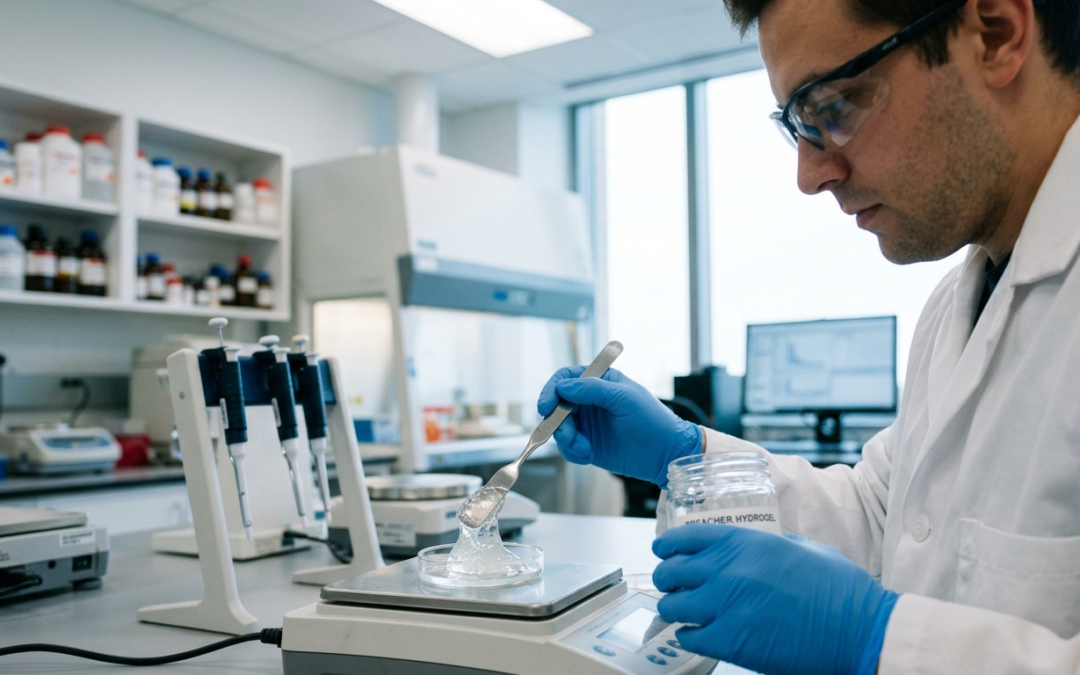
Understanding Breacher Hydrogel
Hydrogels are water rich polymer networks designed to provide controlled performance in various technical and industrial environments. Their unique physical properties make them valuable for applications requiring moisture retention, flexibility, and material compatibility.
Breacher Hydrogel is engineered with precision manufacturing standards that prioritize consistency across production batches. This allows manufacturers, developers, and researchers to achieve repeatable results while reducing variability in their workflows.
The continued advancement of R & D Medical Products has also expanded the possibilities for hydrogel technologies, allowing professionals to explore innovative solutions in multiple industries.
Store Products According to Manufacturer Recommendations
Proper storage is one of the most important factors affecting hydrogel performance.
Best storage practices include:
- Keep products within recommended temperature ranges.
- Avoid prolonged exposure to direct sunlight.
- Maintain sealed packaging until ready for use.
- Prevent contamination from dust or foreign materials.
- Monitor expiration dates before deployment.
Improper storage may alter physical characteristics and reduce effectiveness during application.
Organizations with inventory management systems should regularly inspect stock rotation procedures to ensure older materials are used first.
Maintain a Clean Working Environment
Hydrogels can be sensitive to contamination depending on their intended application. Maintaining a clean workspace minimizes the introduction of particles or biological contaminants that could compromise product quality.
Personnel should:
- Wear appropriate protective equipment.
- Sanitize work surfaces before preparation.
- Use clean instruments during handling.
- Minimize unnecessary exposure to open air.
- Follow internal quality assurance protocols.
Consistent cleanliness contributes to reliable and repeatable outcomes.
Follow Standard Operating Procedures
Every organization should establish documented procedures for handling hydrogel materials.
Standard operating procedures help:
- Reduce human error.
- Improve consistency between operators.
- Simplify employee training.
- Support regulatory compliance.
- Enhance quality control efforts.
Routine reviews and updates ensure procedures remain aligned with current industry standards and product specifications.
Train Personnel Thoroughly
Even high quality materials require knowledgeable users.
Training programs should include:
- Product handling techniques.
- Storage requirements.
- Safety procedures.
- Equipment operation.
- Documentation standards.
- Emergency response protocols when applicable.
Experienced operators are more likely to recognize unusual conditions and respond appropriately before problems escalate.
Verify Product Integrity Before Use
Before incorporating hydrogel into production or research activities, inspect each batch carefully.
Evaluation should include:
- Packaging condition.
- Physical appearance.
- Consistency.
- Color and clarity where applicable.
- Lot identification.
- Expiration status.
If abnormalities are detected, products should be quarantined until evaluated according to internal quality procedures.
Use Appropriate Equipment
Specialized equipment designed for hydrogel preparation or application can improve accuracy and reduce waste.
Calibrated instruments help ensure:
- Correct measurements.
- Consistent dispensing.
- Reduced contamination risk.
- Better repeatability.
- Improved production efficiency.
Routine maintenance and calibration of equipment remain equally important for achieving dependable results.
Document Every Step
Comprehensive documentation supports quality assurance and traceability.
Records should include:
- Batch numbers.
- Dates of use.
- Storage conditions.
- Personnel involved.
- Application details.
- Observed performance.
Good documentation practices simplify investigations if unexpected issues arise and provide valuable historical data for future projects.
Implement Quality Control Testing
Periodic testing verifies that hydrogel performance remains within acceptable parameters.
Quality control programs may evaluate:
- Physical properties.
- Moisture retention.
- Structural consistency.
- Dimensional stability.
- Compatibility with intended processes.
Testing protocols should align with organizational objectives and applicable industry requirements.
Collaborate with Experienced Suppliers
Long term partnerships with knowledgeable suppliers provide valuable technical support throughout the product lifecycle.
Suppliers committed to innovation often assist customers with:
- Product selection.
- Technical documentation.
- Manufacturing consistency.
- Custom development opportunities.
- Process optimization.
Thanks to a commitment to research and responsive scaling, Breacher Hydrogel remains a preferred partner for emerging product platforms and OEM development.
Reliable communication between manufacturers and customers helps address challenges quickly while supporting continuous improvement initiatives.
Plan for Scalability
Organizations introducing hydrogel into production should consider future growth from the beginning.
Scalable planning includes:
- Forecasting inventory needs.
- Expanding storage capacity.
- Standardizing workflows.
- Maintaining supplier relationships.
- Investing in employee training.
Planning ahead reduces operational disruptions as demand increases.
Review Performance Regularly
Continuous improvement requires ongoing evaluation.
Regular performance reviews can identify opportunities to:
- Improve efficiency.
- Reduce material waste.
- Enhance product consistency.
- Update procedures.
- Strengthen quality assurance systems.
Periodic audits also help organizations remain aligned with evolving industry best practices.
Conclusion
Using hydrogel products effectively requires more than selecting a quality material. Proper storage, employee training, clean handling procedures, documentation, quality control, and collaboration with experienced suppliers all contribute to successful outcomes.
As hydrogel technologies continue to evolve, organizations that embrace these best practices position themselves for greater consistency, reliability, and long term success. Whether supporting research initiatives or commercial manufacturing, following established protocols helps maximize the value of every application while minimizing unnecessary risks.
Frequently Asked Questions
What is Breacher Hydrogel used for?
Breacher Hydrogel is designed for specialized applications requiring consistent hydrogel performance across research, development, manufacturing, and OEM environments.
Why is proper storage important?
Correct storage helps preserve product integrity, maintain physical characteristics, and ensure reliable performance when the material is used.
How can contamination be prevented?
Using clean workspaces, sanitized equipment, sealed packaging, and proper protective equipment significantly reduces contamination risks.
Why should organizations document hydrogel usage?
Documentation supports traceability, quality assurance, compliance efforts, and future process improvements.
How often should quality control testing be performed?
Testing frequency depends on organizational requirements, production volume, and regulatory considerations, but regular evaluations help maintain consistent product performance.