Understanding the Unique Climate Challenges in Cape Coral
Cape Coral’s subtropical climate presents specific challenges for asphalt surfaces. High heat, humidity, heavy rainfall, and seasonal storms can accelerate wear and tear. Contractors operating in this region must use materials and techniques designed to withstand:
- Intense UV exposure
- Frequent rain and standing water
- Soil movement due to moisture fluctuations
- Heavy traffic from residential and commercial growth
Professional Cape Coral Asphalt Contractors understand that proper drainage design and high quality base preparation are critical to long lasting pavement. Without these considerations, even the best asphalt mix can fail prematurely.
Proper Site Evaluation and Preparation
One of the most important best practices is conducting a thorough site evaluation before beginning any paving project. This includes assessing soil conditions, grading requirements, drainage patterns, and existing pavement damage.
Site preparation typically involves:
- Removing old or damaged asphalt
- Stabilizing the subgrade
- Compacting the base material properly
- Ensuring correct slope for water runoff
Skipping or rushing this stage often leads to cracking, potholes, and uneven surfaces within a short period. Skilled professionals take the time to ensure the foundation is stable before laying new asphalt.
Using High Quality Asphalt Mixes
Not all asphalt is created equal. The composition of the asphalt mix directly impacts durability, flexibility, and resistance to environmental stress.
Experienced contractors choose mixes that:
- Resist heat related softening
- Provide flexibility during minor ground movement
- Offer strong binding properties
- Meet Florida DOT specifications when required
Selecting the right mix for the specific application is essential. A driveway does not require the same structural strength as a commercial parking lot, and best practices involve tailoring materials to match the project’s demands.
Precision Installation Techniques
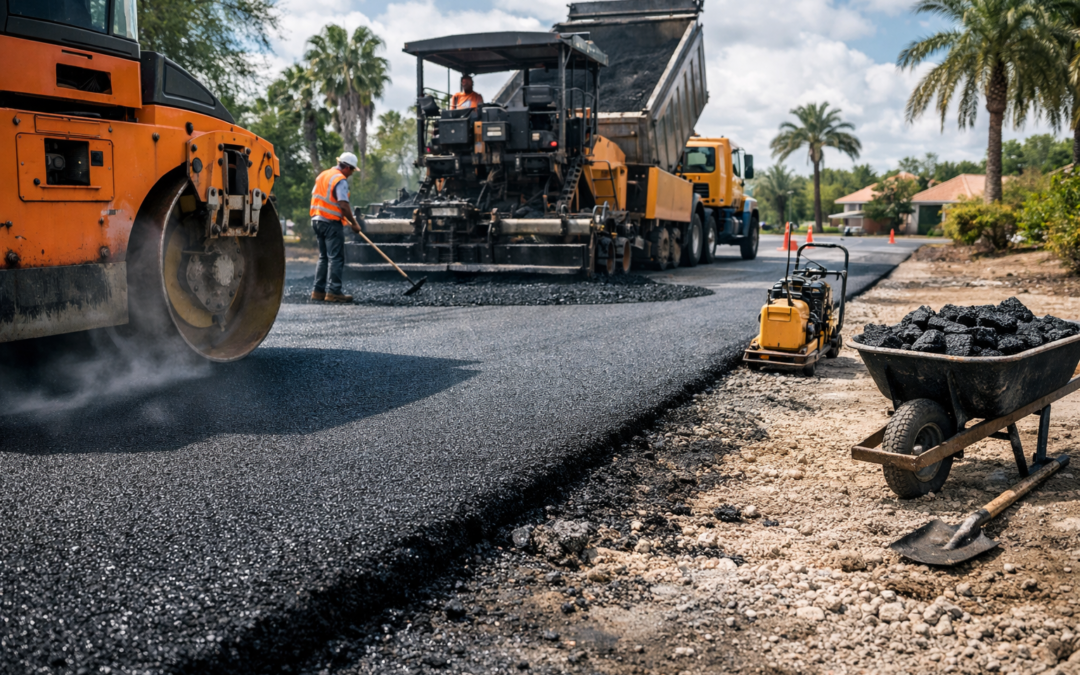
Even with quality materials, improper installation can compromise performance. Reputable Cape Coral Asphalt Contractors follow strict procedures during paving, including:
- Maintaining proper asphalt temperature during application
- Ensuring consistent thickness across the surface
- Compacting asphalt with professional grade rollers
- Avoiding cold joints and weak seams
Proper compaction removes air voids and strengthens the pavement structure. Uneven compaction can lead to water penetration and early deterioration.
Drainage Planning and Water Management
Water is one of asphalt’s biggest enemies. Standing water can weaken the base layer, causing cracks and potholes over time.
Best practices include:
- Designing proper slope and grading
- Installing drainage systems where necessary
- Preventing water pooling in low spots
- Sealing joints and edges carefully
Effective drainage planning significantly extends pavement lifespan and reduces repair frequency.
Routine Maintenance and Preventive Care
Asphalt maintenance is just as important as installation. To reduce long-term repair costs and improve pavement health, many homeowners and businesses invest in Cape Coral Asphalt Contractors as part of routine maintenance.
Preventive maintenance services may include:
- Sealcoating every few years
- Crack filling to prevent water intrusion
- Line striping refresh for parking lots
- Pothole repair at early stages
Regular maintenance protects the asphalt binder from oxidation caused by UV exposure and slows down surface degradation.
Sealcoating as a Protective Strategy
Sealcoating adds a protective layer that shields asphalt from sunlight, chemicals, oil spills, and moisture. In Florida’s climate, sealcoating is particularly beneficial because UV rays can dry out and weaken asphalt binders.
Professional contractors recommend sealcoating at appropriate intervals based on traffic volume and surface condition. Applying sealcoat too early or too late can reduce its effectiveness.
Compliance with Local Regulations
Contractors must comply with local building codes and environmental regulations. In Cape Coral and surrounding areas, permitting and zoning requirements may apply depending on project scope.
Working with licensed and insured professionals ensures that:
- Permits are obtained when required
- Projects meet municipal standards
- Liability risks are minimized
- Work passes inspections
Property owners benefit from peace of mind when hiring experienced professionals who understand local regulations.
Equipment and Technology Advancements
Modern paving equipment has improved efficiency and precision. Leading Cape Coral Asphalt Contractors use advanced machinery to achieve consistent thickness, better compaction, and smoother finishes.
Technology such as laser grading systems and infrared asphalt repair equipment enhances project outcomes and minimizes disruption. These advancements reduce waste and improve long term performance.
Clear Communication and Detailed Estimates
Transparency is another key best practice. Professional contractors provide:
- Detailed written estimates
- Clear project timelines
- Explanation of materials and methods
- Maintenance recommendations
Clear communication prevents misunderstandings and ensures expectations align between contractor and client.
Comparing Local Experience and Regional Expertise
Experience in Southwest Florida matters. Contractors familiar with local soil types, storm patterns, and traffic conditions are better equipped to deliver durable results.
Some property owners compare services with a naples paving company to evaluate pricing, material quality, and service scope. While both markets share similar climate conditions, working with contractors who understand Cape Coral’s specific infrastructure requirements often results in better tailored solutions.
Safety Standards on Every Project
Safety should never be overlooked. Reputable contractors follow strict safety guidelines for workers and property occupants. This includes proper signage, barricades, traffic control measures, and compliance with occupational safety standards.
Ensuring a safe work environment protects everyone involved and reflects a company’s professionalism.
Long Term Value Over Short Term Savings
Choosing a contractor based solely on the lowest bid can lead to costly repairs later. Quality workmanship, durable materials, and proper installation techniques provide long term value.
Investing in experienced Cape Coral Asphalt Contractors reduces the likelihood of premature failure and protects property value.
Sustainability and Environmental Responsibility
Modern paving companies are increasingly focused on sustainability. Best practices include:
- Recycling old asphalt materials
- Using environmentally friendly sealants
- Reducing material waste
- Implementing efficient fuel usage in equipment
Sustainable practices benefit both property owners and the community by minimizing environmental impact.
Choosing the Right Contractor
When selecting a contractor, property owners should consider:
- Licensing and insurance
- Local project portfolio
- Client reviews and testimonials
- Experience with similar projects
- Warranty offerings
Working with reputable professionals ensures your asphalt investment delivers durability, safety, and curb appeal for years to come.
By understanding these best practices, property owners can make confident decisions when hiring Cape Coral Asphalt Contractors and ensure their paving projects are completed to the highest standards.
Frequently Asked Questions
How long does asphalt paving last in Cape Coral?
With proper installation and routine maintenance, asphalt surfaces in Cape Coral can last between 15 to 25 years. Climate conditions and traffic volume influence longevity.
How often should asphalt be sealcoated?
Most surfaces benefit from sealcoating every 2 to 3 years. High traffic areas may require more frequent applications.
What causes cracks in asphalt?
Cracks can result from water infiltration, ground movement, heavy traffic loads, and UV exposure. Early crack filling prevents larger structural issues.
Is it better to repair or replace asphalt?
Minor surface damage can often be repaired. However, widespread structural failure may require full replacement. A professional assessment determines the best option.
How soon can asphalt be used after installation?
Typically, asphalt can handle light foot traffic within 24 hours and vehicle traffic within 48 to 72 hours, depending on weather conditions.