Understanding Automotive Base Coat Paint
Automotive base coat paint is the colored layer applied to a vehicle before the clear coat. It provides the visual appeal, depth, and tone of the finish. Unlike single-stage paint systems, base coat systems rely on a clear coat layer to add gloss and protection.
The quality of the base coat directly impacts how vibrant and consistent the final finish looks. Choosing premium products and applying them correctly will prevent issues like uneven coverage, blotching, or premature fading.
Preparing the Surface Properly
Surface preparation is one of the most important steps in achieving a flawless finish. Even the best paint will fail if applied to an improperly prepared surface.
Start by thoroughly cleaning the vehicle to remove dirt, grease, and contaminants. Use a degreaser or wax remover to ensure no residue is left behind. After cleaning, sand the surface using appropriate grit sandpaper to create a smooth and uniform base.
Any dents, scratches, or imperfections should be repaired before painting. Applying primer helps create a consistent surface for the base coat to adhere to and improves durability.
Choosing the Right Paint and Equipment
Selecting high-quality materials is essential when working with auto base coat paint. Inferior products can lead to poor coverage, color mismatch, and reduced longevity.
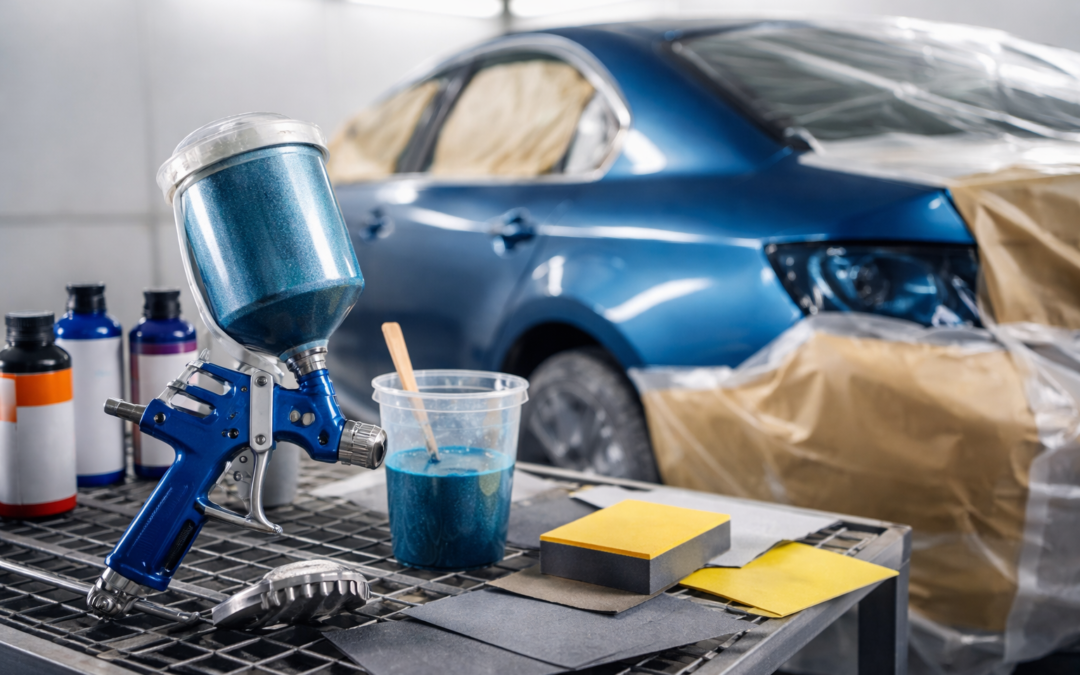
Use a reliable spray gun that offers consistent pressure and atomization. HVLP spray guns are commonly preferred because they reduce overspray and provide better control. Make sure your air compressor is properly calibrated to maintain steady airflow.
Additionally, always match the paint to your vehicle’s color code to ensure accuracy. Mixing paint according to manufacturer guidelines is critical for achieving the desired consistency and performance.
Maintaining Proper Environmental Conditions
The environment in which you apply paint plays a significant role in the outcome. Ideally, painting should be done in a clean, dust-free, and well-ventilated area.
Temperature and humidity must be controlled to prevent defects. Most automotive paints perform best in temperatures between 65 and 80 degrees Fahrenheit. High humidity can cause issues like blushing or improper drying.
Using a paint booth or a controlled workspace helps maintain consistent conditions and reduces contamination risks.
Applying the Base Coat Evenly
Proper application technique is key to achieving a professional finish. Begin by applying thin, even coats rather than one heavy coat. This approach helps prevent runs, sags, and uneven drying.
Hold the spray gun at a consistent distance from the surface, typically around 6 to 8 inches. Use smooth, overlapping passes to ensure uniform coverage. Each pass should overlap the previous one by about 50 percent.
Allow sufficient flash time between coats as recommended by the manufacturer. This ensures that each layer dries properly before the next is applied.
Avoiding Common Mistakes
Many painting issues stem from avoidable mistakes. One common error is applying paint too thickly, which can lead to drips and extended drying times.
Another mistake is rushing the process. Skipping flash times or applying coats too quickly can result in poor adhesion and uneven finishes.
Contamination is also a frequent problem. Dust, oil, or moisture can ruin an otherwise perfect paint job. Always use clean tools and maintain a controlled environment.
Sanding Between Layers When Necessary
In some cases, light sanding between coats may be required to remove imperfections or improve adhesion. Use fine-grit sandpaper and take care not to damage the underlying layers.
After sanding, clean the surface thoroughly before applying additional coats. This step ensures that no debris interferes with the final finish.
Applying the Clear Coat
Once the base coat has been applied and properly flashed, the next step is applying the clear coat. The clear coat enhances gloss, adds depth, and protects the base coat from environmental damage.
Apply the clear coat using the same careful technique as the base coat. Multiple thin layers are preferable to achieve a smooth, glossy finish.
Allow adequate curing time after the clear coat is applied. This ensures maximum durability and resistance to scratches and UV exposure.
Polishing and Finishing Touches
After the paint has fully cured, polishing can help eliminate minor imperfections and enhance shine. Use a high-quality polishing compound and a buffer to achieve a professional-grade finish.
Be gentle during this process to avoid damaging the paint. Proper polishing brings out the depth and clarity of the color, making your vehicle look like new.
Maintaining the Paint Job
Proper maintenance extends the life of your paint job. Regular washing and waxing protect the surface from dirt, UV rays, and environmental contaminants.
Avoid harsh chemicals or abrasive cleaning tools that can damage the finish. Investing time in maintenance preserves the quality and appearance of your work.
Why Proper Technique Matters
Applying automotive base coat paint is both an art and a science. Attention to detail at every stage, from preparation to finishing, determines the final result.
By following best practices, you can achieve a finish that not only looks exceptional but also stands the test of time. Whether working on a full repaint or a minor touch-up, the right approach ensures success.
Frequently Asked Questions
What is the purpose of automotive base coat paint?
Automotive base coat paint provides the color and visual appearance of a vehicle. It is designed to be topped with a clear coat for protection and gloss.
How many coats of base coat should I apply?
Typically, two to three thin coats are sufficient. The exact number depends on the paint type and desired coverage.
How long should I wait between coats?
Flash time varies by product, but it usually ranges from 10 to 30 minutes. Always follow the manufacturer’s recommendations.
Can I apply base coat without primer?
It is not recommended. Primer helps create a smooth surface and improves adhesion, resulting in a better finish.
What causes paint runs and how can I avoid them?
Paint runs occur when too much paint is applied at once. Applying thin, even coats and maintaining proper spray distance helps prevent this issue.
Do I need a professional spray booth?
While not mandatory, a controlled environment like a spray booth significantly improves results by reducing dust and maintaining proper conditions.