Understanding What Is Spinal Decompression
When people ask what is spinal decompression, they are referring to a specialized therapy designed to gently stretch the spine in a controlled manner. This treatment creates negative pressure inside the spinal discs, which may encourage bulging or herniated discs to retract slightly while improving the movement of oxygen, water, and nutrients into damaged areas.
Unlike manual stretching or traditional traction, modern spinal decompression uses computerized technology to carefully control the amount of force applied throughout the treatment session. This precision allows the spine to relax and decompress safely while minimizing muscle guarding.
The goal is to reduce pressure on spinal discs and nearby nerves, allowing the body to begin its natural healing process.
How the Spine Works
Your spine is made up of vertebrae separated by soft cushions called intervertebral discs. These discs act as shock absorbers, allowing flexibility while protecting the spinal bones during everyday movement.
Over time, several factors can place excessive stress on these discs, including:
- Aging
- Poor posture
- Repetitive lifting
- Sports injuries
- Car accidents
- Obesity
- Sedentary lifestyles
When discs become damaged or compressed, they may bulge or herniate, placing pressure on surrounding nerves. This often results in pain, numbness, tingling, or weakness that may travel into the arms or legs.
Spinal decompression aims to relieve this pressure without surgery.
Conditions That May Benefit from Spinal Decompression
A qualified Chiropractor Naples may recommend spinal decompression for several spinal conditions, including:
Herniated Discs
One of the most common reasons patients receive spinal decompression is for herniated discs. When the soft center of a disc pushes outward, nearby nerves can become irritated or compressed.
Decompression therapy may help reduce pressure on the affected disc while promoting healing.
Bulging Discs
Bulging discs occur when the outer portion of the disc extends beyond its normal position. Although not always painful, they can create significant discomfort when nearby nerves become involved.
Degenerative Disc Disease
As spinal discs lose moisture over time, they become thinner and less effective at absorbing shock. This natural aging process can contribute to chronic pain and stiffness.
Spinal decompression may improve circulation within the affected discs and help reduce symptoms.
Sciatica
Sciatica develops when the sciatic nerve becomes compressed, often because of a herniated or bulging lumbar disc.
Symptoms may include:
- Lower back pain
- Hip pain
- Leg pain
- Tingling
- Numbness
- Weakness
Reducing spinal pressure can often lessen irritation along the sciatic nerve.
Spinal Stenosis
Although not every patient with spinal stenosis is an ideal candidate, some individuals may benefit from decompression therapy depending on the severity of their condition.
A thorough evaluation is necessary before treatment begins.
What Happens During a Spinal Decompression Session?
Many patients feel nervous before their first appointment because they are unsure what to expect. Fortunately, spinal decompression is generally comfortable.
A typical session includes:
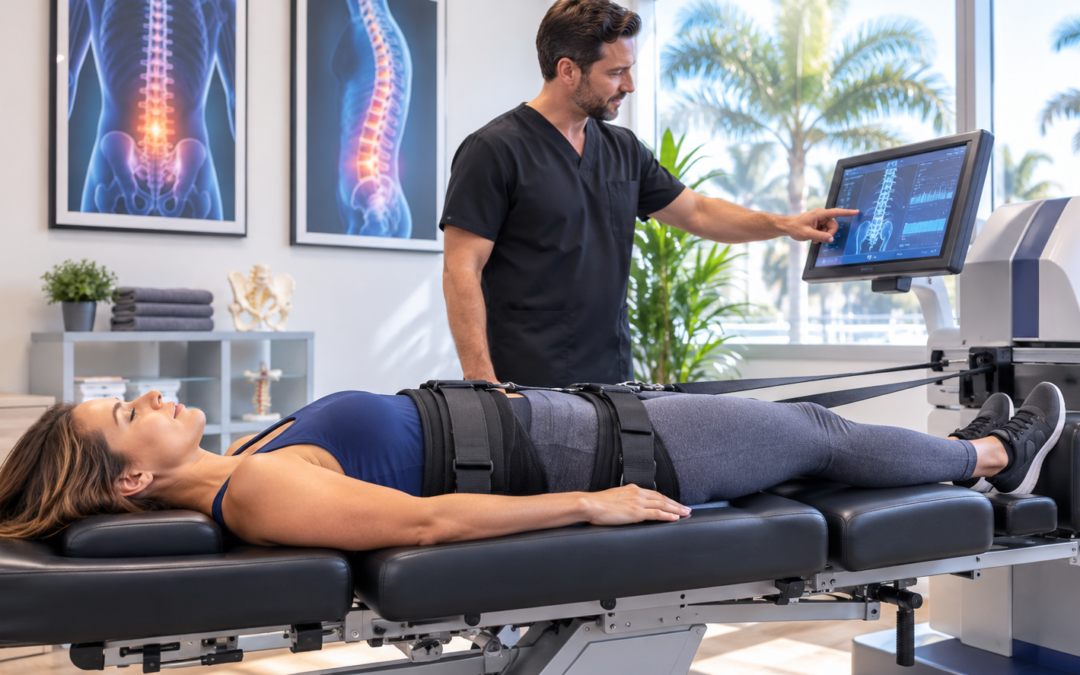
- The patient lies comfortably on a specialized decompression table.
- A harness is placed around the hips or upper body.
- The computerized system gently stretches and relaxes the spine according to a customized treatment plan.
- The treatment alternates between decompression and relaxation cycles.
- Sessions usually last between 20 and 30 minutes.
Many patients describe the experience as relaxing and even enjoyable.
How Many Treatments Are Usually Needed?
The number of treatments varies depending on several factors, including:
- Severity of the condition
- Length of time symptoms have been present
- Overall spinal health
- Patient age
- Activity level
Many care plans involve multiple sessions over several weeks to allow gradual improvement.
Your provider will create a personalized treatment schedule based on your specific diagnosis and goals.
Benefits of Spinal Decompression
Patients often choose spinal decompression because it offers several advantages over more invasive procedures.
Potential benefits include:
Non-Surgical Treatment
Many individuals prefer conservative care before considering injections or surgery.
Reduced Disc Pressure
Decompression helps relieve stress placed on spinal discs and surrounding nerves.
Improved Mobility
As pressure decreases, many patients notice improvements in flexibility and daily movement.
Drug-Free Pain Relief
Spinal decompression focuses on addressing the underlying mechanical problem instead of simply masking symptoms with medication.
Minimal Recovery Time
Unlike surgery, patients can typically resume normal daily activities shortly after treatment, depending on their provider’s recommendations.
Who Is a Good Candidate?
Although spinal decompression helps many patients, it is not appropriate for everyone.
Good candidates often include individuals experiencing:
- Chronic neck pain
- Chronic lower back pain
- Herniated discs
- Bulging discs
- Degenerative disc disease
- Sciatica
- Pinched nerves
A comprehensive evaluation helps determine whether spinal decompression is the right treatment option.
When Spinal Decompression May Not Be Recommended
Certain medical conditions may prevent patients from safely receiving spinal decompression.
These may include:
- Recent spinal fractures
- Severe osteoporosis
- Certain spinal implants
- Advanced spinal instability
- Pregnancy
- Some spinal tumors or infections
Your healthcare provider will review your medical history before recommending treatment.
The Role of Chiropractic Care
Spinal decompression is often combined with other chiropractic therapies for better overall outcomes.
A skilled Chiropractor Naples may incorporate:
- Chiropractic adjustments
- Therapeutic exercises
- Posture correction
- Soft tissue therapy
- Stretching programs
- Lifestyle recommendations
Combining multiple therapies often provides more comprehensive care while supporting long-term spinal health.
Lifestyle Habits That Support Recovery
Treatment works best when combined with healthy daily habits.
Patients are often encouraged to:
- Maintain proper posture
- Stay physically active
- Perform prescribed stretches
- Strengthen core muscles
- Lift objects correctly
- Maintain a healthy body weight
- Stay hydrated
Healthy habits help reduce recurring spinal stress and improve treatment success.
Why Early Treatment Matters
Ignoring chronic back or neck pain often allows spinal problems to worsen over time.
Early evaluation may help prevent:
- Increased nerve irritation
- Loss of mobility
- Muscle weakness
- Chronic inflammation
- Reduced quality of life
Seeking care early may improve recovery potential and reduce the need for more aggressive interventions later.
Choosing the Right Provider in Naples
When searching for answers about what is spinal decompression, choosing an experienced provider is just as important as understanding the treatment itself.
Look for a clinic that offers:
- Comprehensive evaluations
- Personalized treatment plans
- Modern spinal decompression equipment
- Patient education
- Evidence-based chiropractic care
- Experience treating disc-related conditions
Working with an experienced Chiropractor Naples helps ensure your treatment plan is tailored to your unique spinal condition and overall health goals.
Final Thoughts
If you have been wondering what is spinal decompression, it is a gentle, conservative treatment designed to relieve pressure on spinal discs and nerves while encouraging the body’s natural healing process. A non-surgical option for disc-related back and neck pain. For many patients dealing with herniated discs, sciatica, degenerative disc disease, or chronic neck and lower back pain, spinal decompression may offer meaningful relief without surgery.
If you are experiencing persistent spinal discomfort, consulting a qualified Chiropractor Naples can help determine whether spinal decompression is appropriate for your condition. With a personalized treatment plan, healthy lifestyle habits, and professional guidance, many patients are able to reduce pain, improve mobility, and return to the activities they enjoy.
Frequently Asked Questions
What is spinal decompression?
Spinal decompression is a non-surgical therapy that gently stretches the spine to reduce pressure on spinal discs and nerves, helping promote healing and pain relief.
Is spinal decompression painful?
Most patients find spinal decompression comfortable and relaxing. The treatment uses controlled, gentle movements rather than forceful manipulation.
How long does each spinal decompression session last?
Most appointments last between 20 and 30 minutes, although treatment times may vary depending on your condition and care plan.
Can spinal decompression help sciatica?
Yes. Many patients with sciatica caused by herniated or bulging discs experience symptom improvement after spinal decompression therapy.
How many treatments will I need?
The number of sessions depends on your diagnosis, symptom severity, and treatment goals. Your provider will develop a personalized plan after evaluating your condition.
Is spinal decompression better than surgery?
For appropriate candidates, spinal decompression offers a conservative alternative that may reduce pain without the risks and recovery associated with surgery. However, some severe spinal conditions may still require surgical treatment