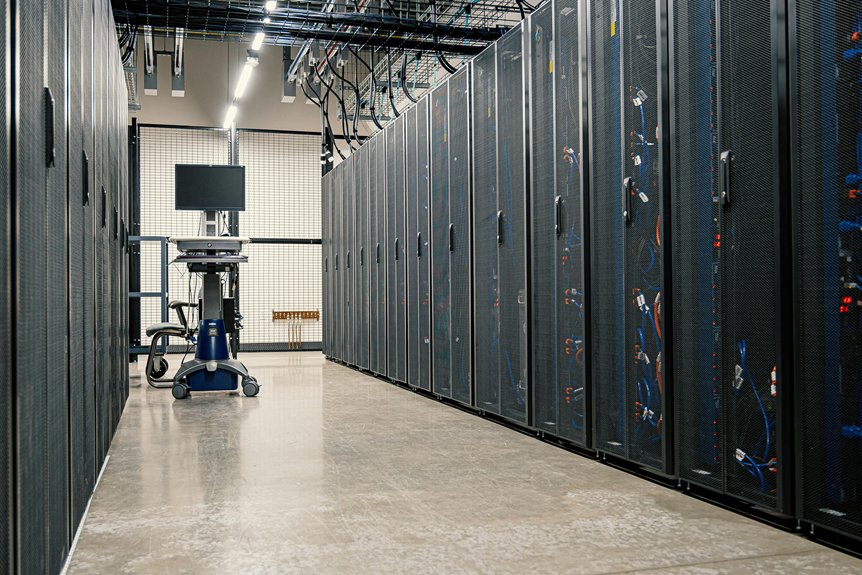
Building an effective data center security strategy requires a multifaceted approach. Organizations must integrate physical and logical safeguards while addressing potential vulnerabilities. A solid risk assessment framework serves as the foundation for this strategy. By examining access controls, employee training, and continuous monitoring, leaders can create a thorough security plan. Understanding these elements is vital, yet many organizations overlook key components that could enhance their defenses. What are these overlooked aspects?
The Importance of Data Center Security
The necessity of robust data center security is paramount in today’s digital landscape, where vulnerabilities can lead to significant financial and reputational consequences. Data centers house critical information and infrastructure, making them prime targets for cyberattacks and breaches. The loss of sensitive data not only jeopardizes business continuity but also undermines consumer trust. In addition, regulatory compliance demands stringent security measures to protect personal and financial information. An effective data center security strategy encompasses physical and logical safeguards to mitigate risks; this includes access controls, environmental monitoring, and continuous threat assessment. By prioritizing data center security, organizations can shield themselves from disruptive incidents, ensuring operational integrity and fostering a secure environment for data management, ultimately safeguarding their investments and reputation in a competitive market. Moreover, implementing strong data management procedures helps to further minimize the risk of data-related issues and enhances overall security measures.
Cybersecurity Best Practices for Enhanced Data Center Security
Implementing cybersecurity best practices is crucial for strengthening data center security against evolving threats. Organizations should prioritize regular software updates to patch vulnerabilities and employ robust firewall and intrusion detection systems to monitor unauthorized access attempts. Additionally, implementing encryption protocols guarantees that sensitive data remains secure during transmission and storage. A strong password policy, combined with multi-factor authentication, can considerably reduce the risk of unauthorized entry. Continuous security training for employees fosters a culture of vigilance and awareness regarding phishing attacks and other cyber threats. Finally, conducting regular security assessments and audits helps identify potential weaknesses, allowing organizations to adjust their defenses proactively. By adopting these practices, data centers can enhance their cybersecurity posture and protect valuable information assets effectively. Moreover, maintaining the integrity and reliability of the database is essential for safeguarding sensitive information.
Essential Physical Security Components for Data Centers
The physical security of data centers is essential for safeguarding sensitive information. Access control measures and surveillance systems serve as foundational components in preventing unauthorized access and monitoring activities within these facilities. An effective strategy integrates both elements to create an all-encompassing security framework. Additionally, data centers ensure that client database safety is maintained through rigorous security protocols and continuous monitoring.
Access Control Measures
Access control measures are crucial for maintaining the integrity and security of data centers. These measures guarantee that only authorized personnel can access sensitive areas, effectively limiting the risk of unauthorized infiltration and data breaches. Common access control strategies include the use of key cards, biometric authentication, and PIN codes, each contributing to a layered security approach. Additionally, physical barriers such as gates, locks, and security stations further enhance protection by managing entry points. Regular audits and access reviews are also essential to confirm compliance and update permissions as necessary. By implementing robust access control measures, data centers can notably mitigate risks and protect their valuable information assets from both internal and external threats.
Surveillance System Implementation
Surveillance systems play a critical role in fortifying data center security by providing continuous monitoring of both the physical premises and key operational areas. These systems typically encompass a combination of high-definition cameras, motion detectors, and advanced monitoring software. High-definition cameras offer clear visual documentation, essential for incident response and forensic analysis. Motion detectors guarantee real-time alerts to unauthorized movements, enhancing response times. Additionally, video analytics can identify unusual activities, allowing for proactive security measures. Centralized monitoring stations allow security personnel to effectively manage and respond to alerts. By integrating surveillance technology with the overall security infrastructure, data centers achieve heightened security awareness, ultimately protecting sensitive data and maintaining operational continuity against unauthorized access and potential threats.
Developing a Risk Assessment Framework for Security
When commencing the development of a risk assessment framework for data center security, organizations must systematically identify and evaluate potential vulnerabilities and threats. This process typically involves conducting a thorough inventory of all assets, including hardware, software, and sensitive data. Once the assets are identified, organizations should analyze potential risks stemming from environmental factors, human error, and malicious attacks. Utilizing tools such as threat modeling and risk matrices can facilitate this analysis, allowing organizations to prioritize risks based on their likelihood and impact. Additionally, it is essential to engage stakeholders throughout the assessment process to gain diverse perspectives and enhance the framework’s effectiveness. Ultimately, a robust risk assessment framework underpins an organization’s proactive security measures and aids in informed decision-making. Furthermore, a client-centric approach empowers data managers to tailor security strategies effectively to address unique organizational needs.
Crafting an Effective Incident Response Plan?
An effective incident response plan requires identifying key stakeholders who will play vital roles during an incident. Clearly defined response procedures guarantee that all team members understand their responsibilities, leading to a coordinated effort in crisis management. Additionally, conducting regular drills is essential for testing these procedures and enhancing the team’s readiness. Furthermore, data centers have a meticulous selection process for partners who can lead incident response efforts effectively.
Identify Key Stakeholders
Identifying key stakeholders is essential for developing an effective incident response plan, as their involvement secures thorough preparedness and resource allocation. Stakeholders within a data center typically include IT personnel, security teams, management, and legal advisors, each contributing unique insights and expertise. The IT and security teams provide technical knowledge necessary for identifying system vulnerabilities and potential threats. Management plays a critical role in decision-making and resource allocation during incidents. Legal advisors guarantee compliance with regulatory requirements and mitigate liabilities. Engaging these stakeholders early fosters collaboration and communication, enhancing the plan’s effectiveness. Additionally, recognizing external stakeholders, such as vendors and law enforcement, can strengthen the response and recovery efforts, assuring a more resilient data center security strategy.
Define Response Procedures
With key stakeholders identified and engaged, the next step involves defining response procedures that will form the backbone of an effective incident response plan. This process requires a thorough assessment of potential incidents, ranging from data breaches to natural disasters. Clear roles and responsibilities must be assigned to guarantee a coordinated response. Each procedure should outline steps for detection, containment, eradication, and recovery, while also specifying communication protocols to keep stakeholders informed. Additionally, response procedures should incorporate guidelines for documenting incidents and the steps taken, which is essential for future analysis and improvement. By meticulously defining these procedures, organizations can enhance their readiness and minimize the impact of security incidents on operations and data integrity.
Conduct Regular Drills
Regular drills are a crucial component of an effective incident response plan, as they help organizations test their preparedness for various security incidents. These simulations allow teams to practice their response protocols, ensuring all personnel understand their roles in a crisis. By conducting drills, organizations can identify weaknesses in their procedures and make necessary adjustments before a real incident occurs. Regularly scheduled exercises also promote communication and collaboration among team members, fostering a culture of security awareness. Additionally, they can enhance decision-making skills under pressure, ensuring a swift and coordinated response. Overall, conducting regular drills not only improves the effectiveness of the incident response plan but also builds confidence among employees in facing potential threats.
How to Stay Compliant With Industry Regulations?
To maintain compliance with industry regulations, organizations must implement a proactive approach that encompasses constant monitoring and adaptation of their security practices. This involves staying informed about the specific regulations applicable to their industry, such as GDPR or HIPAA, and regularly updating policies to reflect changes. Security audits are essential; conducting them regularly guarantees vulnerabilities are identified and addressed promptly. Organizations should invest in training employees on regulatory requirements and proper data handling techniques, as human error can lead to compliance breaches. Additionally, developing clear documentation processes not only aids compliance but can also streamline audits. Engaging legal and compliance experts can further support organizations in traversing complex regulations, ultimately fortifying their data security strategy.
Using Advanced Tech for Data Protection
Advanced technology plays an essential role in enhancing data protection measures within data centers. Innovations such as artificial intelligence and machine learning empower organizations to detect anomalies and potential threats in real-time. Blockchain technology offers secure, tamper-proof data storage, ensuring integrity while facilitating transparent audit trails. Additionally, advanced encryption techniques protect sensitive information during transmission and storage, deterring unauthorized access. Multi-factor authentication systems bolster security further by verifying user identities through multiple channels. Moreover, automated security protocols respond to intrusions rapidly, minimizing potential damage. By integrating these technologies, data centers not only safeguard their assets but also maintain compliance with evolving regulations, thereby fostering trust among customers and stakeholders. Ultimately, leveraging advanced tech is vital in establishing a robust data protection strategy.
Training Employees on Security Best Practices
Empowering employees through thorough training on security best practices is vital for a resilient data center environment. Organizations must equip their staff with the knowledge to identify potential threats and respond effectively. This training should encompass phishing awareness, secure password management, and the importance of access controls. Regular workshops, online modules, and hands-on simulations can enhance employees’ understanding of real-world scenarios. In addition, fostering a security-first culture encourages team members to prioritize data protection in their daily tasks. It is essential to provide resources and support for continuous learning, ensuring employees stay updated on emerging threats and best practices. Consistent and engaging training not only safeguards data assets but also cultivates a proactive security mindset among all personnel.
Establishing a Routine for Security Audits and Updates
A well-trained workforce contributes considerably to a data center’s security posture, but proactive measures must extend beyond employee awareness. Establishing a routine for security audits and updates guarantees that vulnerabilities are identified and addressed regularly. These audits should include extensive assessments of physical security, access controls, and network configurations. Organizations should schedule audits at predetermined intervals, using both internal and external resources to guarantee objectivity and expertise.
Incorporating timely updates to security protocols based on audit findings is essential for adapting to evolving threats. This routine minimizes the risk of data breaches and reinforces overall security governance. By prioritizing systematic audits and updates, data centers can maintain a robust defense strategy, ultimately safeguarding sensitive information and infrastructure effectively.
Continuous Improvement Through Monitoring and Auditing
Regular monitoring and auditing play an essential role in fostering continuous improvement within data center security frameworks. These processes provide a systematic approach to assess current security protocols, identify vulnerabilities, and evaluate the effectiveness of existing controls. By gathering and analyzing data on security incidents, compliance levels, and potential threats, organizations can pinpoint areas that require enhancement. Additionally, routine audits guarantee adherence to regulatory standards and industry best practices, reinforcing accountability among staff. Continuous improvement through monitoring encourages proactive measures, allowing data center managers to adapt to evolving threats swiftly. Overall, this iterative process not only strengthens security posture but also cultivates a culture of vigilance and responsiveness, essential for protecting critical infrastructure against increasingly sophisticated cyber threats.
Frequently Asked Questions
What Are the Costs Associated With Implementing Data Center Security Measures?
Costs associated with implementing data center security measures can include hardware, software, employee training, ongoing maintenance, and incident response planning. Cumulatively, these expenses can profoundly impact an organization’s overall budget and resource allocation.
How Do I Choose the Right Security Vendors for My Data Center?
Selecting the right security vendors involves evaluating their reputations, expertise, and track records. It’s crucial to assess their technology, support services, and pricing structures while ensuring they align with specific data center security requirements and compliance standards.
What Role Does Employee Turnover Play in Data Center Security?
Employee turnover considerably impacts data center security by increasing vulnerabilities. New staff may lack training on protocols, while departing employees might retain knowledge of security loopholes, necessitating vigilant onboarding and exit procedures to mitigate risks.
Can Natural Disasters Affect Data Center Security Planning?
Natural disasters can markedly impact data center security planning by necessitating robust emergency protocols, infrastructure resiliency, and risk assessments. Effective preparation guarantees continuity, protecting sensitive data and maintaining operation during unforeseen weather-related events.
What Are Common Misconceptions About Data Center Security Practices?
Common misconceptions about data center security practices include believing that physical security is sufficient, underestimating insider threats, neglecting regular audits, and assuming that compliance equates to thorough protection, potentially leaving vulnerabilities unaddressed.
Conclusion
Ultimately, a thorough data center security strategy is crucial for protecting sensitive information and maintaining operational integrity. By integrating physical and logical safeguards, regularly evaluating risks, and training employees, organizations can enhance their resilience against cyber threats. The continuous monitoring and updating of security measures, combined with advanced technologies, guarantee a proactive stance against evolving challenges. Ultimately, a robust security framework fortifies data centers, fostering trust and reliability in an increasingly digital landscape.